Understanding Margin and Leverage Basics
Before you start trading in the Forex market or any other asset class, it's essential to clearly understand the concepts of Margin and Leverage. These two terms form the foundation for every trader and are key to managing your trades effectively right from the beginning.
What is Margin?
Margin refers to the “collateral” you must have in your trading account to open a position with a broker. It’s similar to a security deposit, showing that you have enough funds to cover the risk associated with the trade.
What is Leverage?
Leverage is a tool that allows you to increase your purchasing power. In simple terms, it lets you trade larger position sizes than your actual capital by borrowing a portion from the broker.
A simple example:
Imagine you want to buy $10,000 worth of stock for speculation, but you only have $1,000 in cash. You borrow the remaining $9,000 from your broker. The amount you put in—$1,000—is the Margin, and the borrowed funds represent the Leverage that allows you to control the full $10,000 position.
Read more: What is Margin?
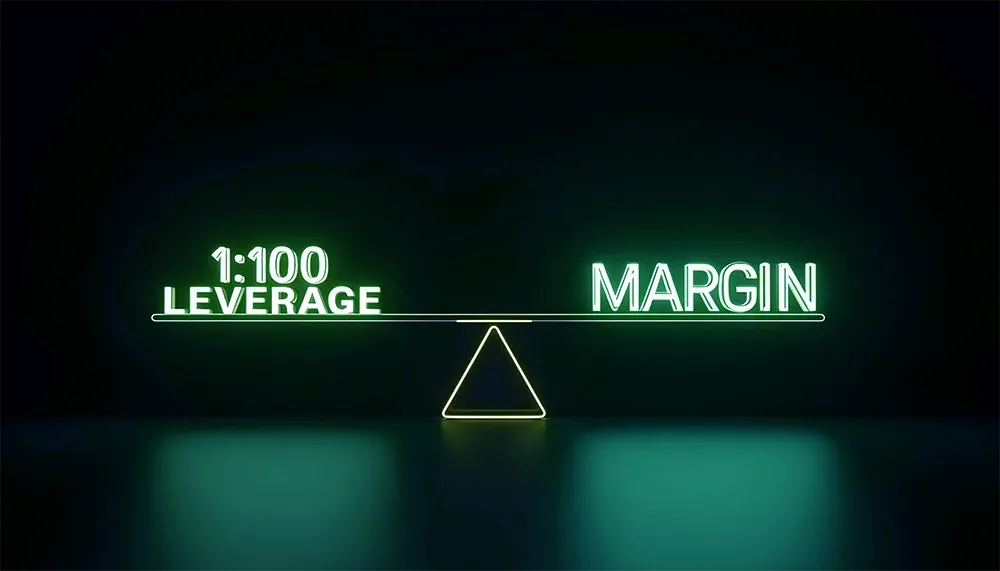
How Do Margin and Leverage Work Together?
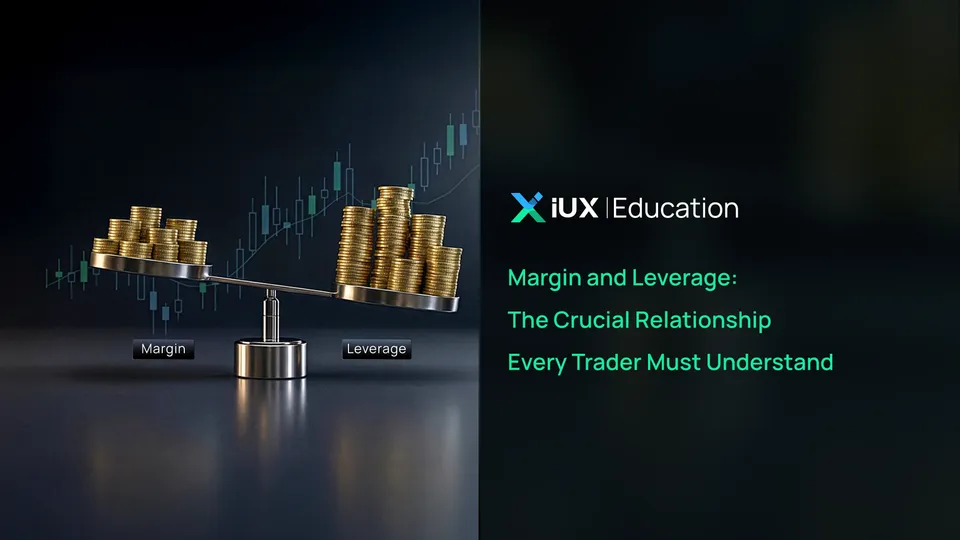
Margin and Leverage work hand in hand to determine how large a position you can open in the market.
- Margin is the portion of your own capital used as collateral.
- Leverage is the amount you can borrow from your broker to increase the size of your trade.
The higher the Leverage → the lower the required Margin.
For example, if you want to open a position worth $10,000:
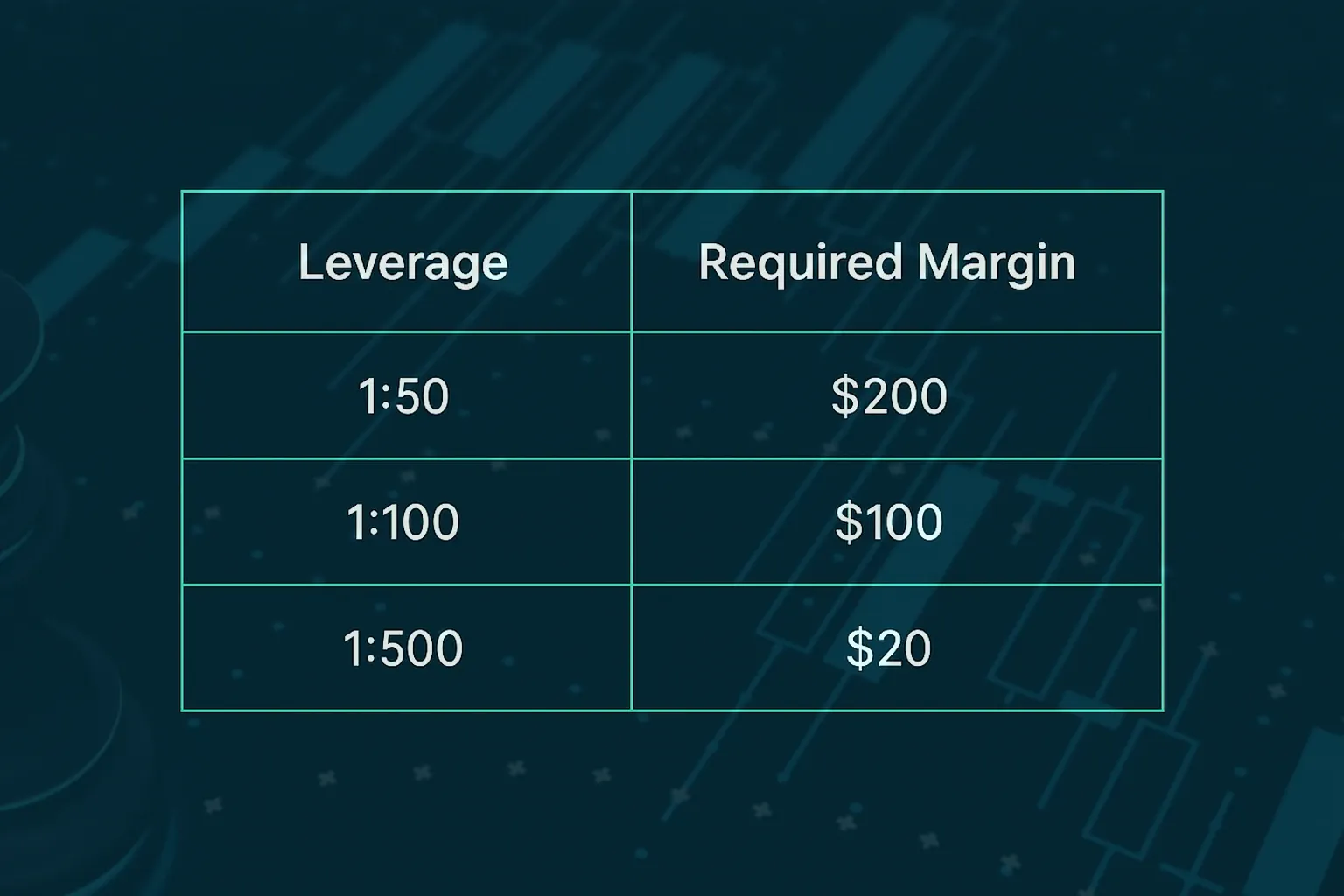
From the table, you can see that higher leverage reduces the required margin, but at the same time, it can also increase the level of risk.
|
|
Tip: Beginners should start with low leverage to trade with more control and less pressure from market volatility. |

Why Should You Learn About Margin and Leverage Before Trading?
Margin and Leverage are more than just theory—they're essential tools for improving trading efficiency and managing your capital effectively. Understanding them helps prevent the misuse of high leverage, which could put your portfolio at unnecessary risk.
By learning how to use Margin and Leverage correctly, you’ll be able to plan your trades with confidence and maximize the potential of your account balance.
Tips for Beginners:
- Start with low leverage, such as 1:20 or 1:50
- Always use a Stop Loss
- Regularly monitor your Free Margin
Managing your capital doesn’t have to be complicated. With the right foundation and the right tools, you can take control of your leverage with confidence. IUX offers a fast execution platform, advanced charting tools, and a wide range of tradable assets from Forex and indices to gold, designed to support disciplined trading.
Build your portfolio with structure starting today.
Sign up with IUX and start mastering margin management like a pro.
|
|

Quick Summary
- Margin and Leverage are essential concepts every trader should understand.
- Leverage boosts your buying power but also increases risk.
- Margin helps manage risk and control your capital.
- Understanding how they work together allows for better trade planning and helps avoid unnecessary mistakes.
Recommended reading: What’s the Difference Between Leverage and Margin?
💡FAQs
Q1: How does high leverage affect margin?
A: The higher the leverage you use—like 1:500—the less margin is required to open a trade. However, this also increases your risk, as even small price movements can have a bigger impact on your portfolio.
Q2: What leverage is suitable for beginners?
A: If you're new to forex trading, it's recommended to use leverage no higher than 1:50. This keeps your margin at a manageable level and helps reduce the risk of a margin call or unnecessary losses.
Q3: Can I change my leverage after opening a trading account?
A: Yes. Most brokers allow you to adjust leverage in your account settings, but changing leverage will affect how much margin is required for future trades.
Q4: What happens if my free margin reaches zero?
A: When free margin reaches zero, you can no longer open new positions, and if losses continue, your broker may start closing trades automatically to prevent further losses.
|
|
|
|


Note: This article is intended for preliminary educational purposes only and is not intended to provide investment guidance. Investors should conduct further research before making investment decisions.
Sources: Benefits & Risks of Margin trading , Leverage explained ,