CFDs are complex instruments and come with a high risk of losing money rapidly due to leverage. 76% of retail investor accounts lose money when trading CFDs with this provider. You should consider whether you understand how CFDs work and whether you can afford to take the high risk of losing your money.
CFDs are complex instruments and come with a high risk of losing money rapidly due to leverage. 76% of retail investor accounts lose money when trading CFDs with this provider. You should consider whether you understand how CFDs work and whether you can afford to take the high risk of losing your money.


How to Educate Yourself About Investing
Investing has become more accessible than ever. With mobile apps, online platforms, and global financial markets available at your fingertips, almost anyone can begin investing today. However, before buying stocks, ETFs, bonds, or other financial assets, one of the most important steps is often overlooked: education.
Many beginner investors enter the market hoping for quick profits without fully understanding how investing works. While investing can create opportunities for long-term financial growth, entering financial markets without sufficient knowledge may lead to emotional decisions and unnecessary risks. That is why learning about investing is one of the most valuable steps you can take before committing real money.
Financial education helps investors understand market behavior, evaluate risks, and build confidence over time. Investing is not about predicting the market perfectly. Instead, it is about developing the knowledge and discipline needed to make informed financial decisions aligned with your goals.
Why Financial Education Matters
Understanding the basics of investing may help investors avoid common mistakes and make more rational decisions during changing market conditions. Many people invest based on trends, social media opinions, or short-term hype without understanding the risks involved. This often leads to panic during market downturns or impulsive decisions during periods of volatility.
Educating yourself about investing may help you:
- Understand how financial markets operate
- Learn the relationship between risk and return
- Build long-term investing habits
- Avoid emotional decision-making
- Improve portfolio diversification strategies
Financial literacy also gives investors more independence. Instead of relying entirely on others for investment decisions, educated investors may become more confident in analyzing opportunities and understanding market risks on their own.
Understanding the Basics of Investing

Before making any investment, it is important to understand the broader investment landscape. Financial markets include the stock market, commodities market, and foreign exchange market. Each market behaves differently and reacts to various economic conditions.
Investors should also understand the different types of investment assets available, such as:
- Stocks
- Bonds
- Exchange-Traded Funds (ETFs)
- Mutual Funds
- Commodities
- Digital Assets
Stocks may offer long-term growth potential, although they can also experience higher volatility. Bonds are generally considered more stable and are often used for income generation and risk reduction. ETFs provide diversified exposure to multiple assets within a single investment product, making them popular among beginner investors.
Economic indicators also play an important role in investing. Factors such as inflation rates, interest rates, employment data, and central bank policies can all influence financial markets. Understanding these indicators may help investors better interpret market movements and economic trends.
Understanding the bigger picture of investing is essential, but it can also be complicated. Is it better to have a platform that simplifies? IUX not only opens the door to global investment opportunities but also provides a range of tools to help you learn, analyze, and understand key data on stocks, bonds, and digital assets.
Why Is It Important to Educate Yourself Before Investing?

- Understand Risk & Return : Knowledge empowers you to choose investments that match your risk tolerance and goals.
- Avoid Costly Mistakes : Investing without knowledge can lead to high fees, bad risks, and emotional decisions.
- Stay Informed : The financial world constantly changes. Continuous learning helps you stay updated on new opportunities and risks.
- Build a Diverse Portfolio : Education teaches you about diversification, a key strategy to manage risk across market conditions.
Best Ways to Learn About Investing
There are many effective ways beginners can improve their investment knowledge. Reading books remains one of the most valuable methods because books often explain investing principles in a structured and practical way. Topics such as diversification, risk management, behavioral finance, and long-term investing can help build a strong foundation.
online courses have also become increasingly popular because they simplify complex financial topics into step-by-step lessons. Many courses cover:
- Stock market basics
- ETF investing
- Portfolio management
- Technical analysis
- Fundamental analysis
Following financial news is another useful habit. Economic developments, company earnings, inflation data, and central bank decisions can all influence market conditions. Staying informed may help investors understand why markets react to certain events. However, investors should avoid making impulsive decisions based only on short-term headlines or market speculation.
Podcasts and investment communities can also support the learning process. Listening to experienced investors and financial analysts may help beginners gain insight into market psychology, economic cycles, and investment strategies. Investment communities and seminars also create opportunities to exchange ideas and learn from real-world experiences.
 |
Tip: Start by learning the basics of risk, asset types, and market behavior before making any financial decisions. |
Practice Before Investing Real Money
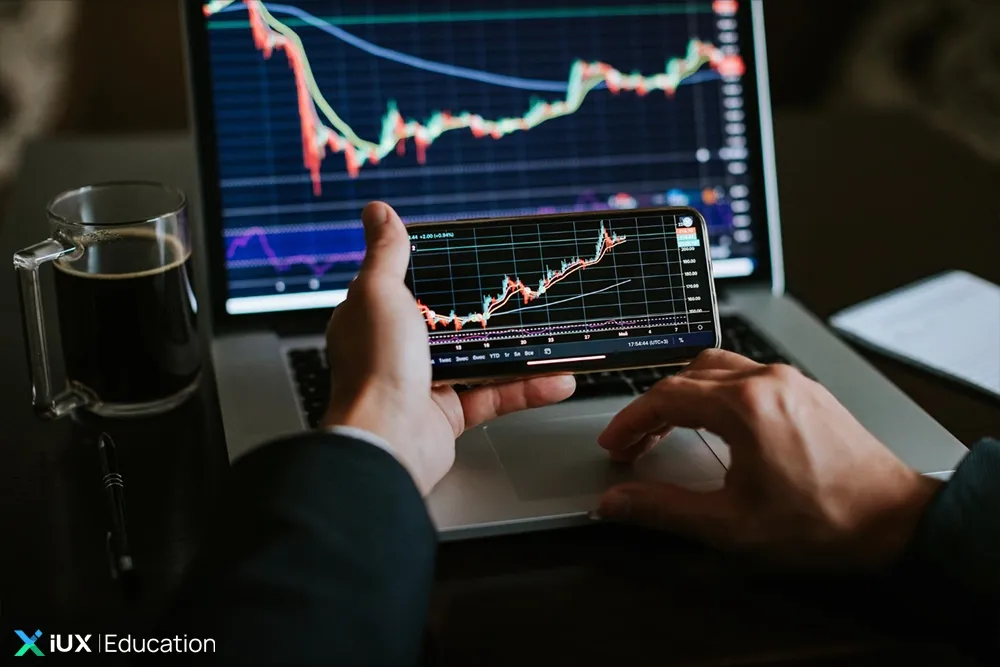
For beginners who are not yet comfortable entering live markets, investment simulators and demo accounts can provide valuable practical experience. These tools allow users to practice investing strategies without risking real money.
Simulation platforms may help investors:
- Understand how markets function
- Test investment strategies
- Learn portfolio management
- Practice asset allocation strategies
- Build confidence gradually
Hands-on practice can often make financial concepts easier to understand compared to learning only through theory.
Continue Learning as Markets Change
Financial markets constantly evolve due to economic changes, technological innovation, government policy, and global events. Because of this, investing education should be viewed as an ongoing process rather than a one-time activity.
Many investment platforms now provide educational resources, market analysis tools, portfolio management features, and investment strategy insights designed to support beginner investors. For example, IUX offers access to multiple financial markets alongside educational resources and portfolio management tools that may help users improve their market understanding, develop investment strategy knowledge, and strengthen long-term investing skills.
Conclusion
Successful investing starts with education. Before focusing on profits or market trends, beginner investors may benefit more from understanding financial markets, risk management, and long-term investing principles.
While investing always involves risk, financial education may help investors make more informed decisions, reduce emotional reactions, and build stronger long-term strategies. By continuously improving their understanding of financial markets and investment concepts, investors may become better prepared to navigate changing market conditions and pursue their financial goals over time.
💡FAQs
Q: What are the key economic indicators that can affect investment outcomes?
A: Important indicators include inflation rates, interest rates, and employment figures, all of which influence market behavior.
Q: How does self-education lead to more independent decision-making?
A: It empowers you to analyze information yourself rather than relying solely on financial advisors, giving you more control over your financial future.
Q: What role does diversification play in a successful investment strategy?
A: Diversification is a key strategy taught through education that helps you manage and spread risk across different market conditions.
Note: This article is intended for preliminary educational purposes only and is not intended to provide investment guidance. Investors should conduct further research before making investment decisions.
source: beginner's guide to investing , how to invest